
Can Machines Truly Create or Are We Sacrificing Our Humanity
The rise of artificial intelligence has sparked a profound question: can machines really be creative, or are we losing something uniquely human in the process? As AI systems generate art, music, and writing, many wonder if creativity is still a human domain or if it is becoming a product of algorithms. This post explores what creativity means, how machines approach it, and what this means for our sense of humanity.

What Is Creativity?
Creativity is often described as the ability to produce something new and valuable. It involves imagination, originality, and emotional expression. Humans create by combining experiences, emotions, and knowledge in novel ways. This process is deeply personal and often reflects cultural and individual identity.
Creativity is not just about the final product but also about the intention and context behind it. For example, a poem written to express grief carries emotional weight that connects with readers. This emotional connection is a key part of what makes human creativity special.
How Machines Approach Creativity
Machines do not experience emotions or consciousness. Instead, they generate content based on patterns learned from vast amounts of data. AI models analyze existing works and use statistical methods to produce new combinations that resemble human creations.
For example, AI can compose music by learning from thousands of songs, then creating new melodies that follow similar structures. It can also generate paintings by mimicking styles of famous artists. These outputs can be impressive and sometimes indistinguishable from human-made art.
However, machines lack awareness of meaning or purpose. They do not create with intention or emotional experience. Their "creativity" is a form of pattern replication and recombination rather than genuine invention.
Examples of Machine Creativity
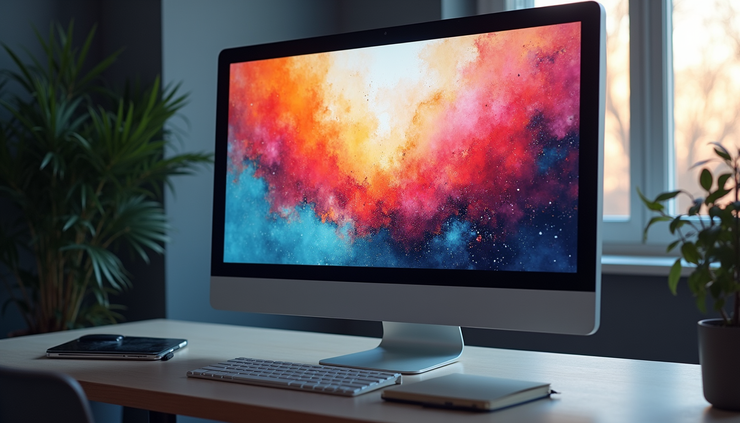
AI-generated art: Programs like DeepDream and DALL·E create images based on text prompts or learned styles. These images can be striking and imaginative but are ultimately derived from existing visual data.
Music composition: AI tools compose original pieces in genres ranging from classical to jazz. Some musicians use these tools as collaborators, blending human emotion with machine-generated ideas.
Writing and storytelling: Language models produce poems, stories, and articles. While they can mimic styles and generate coherent text, they do not understand the content or context.
These examples show machines can produce creative outputs, but the process differs fundamentally from human creativity.
What We Might Be Losing
As machines take on creative tasks, there is concern about what humanity might lose:
Emotional depth: Machine creations lack genuine feelings and personal experience. This can make art feel hollow or less meaningful.
Cultural context: Human creativity reflects cultural backgrounds and social issues. Machines do not have lived experiences to draw from.
Creative struggle: The process of creating often involves trial, error, and growth. Machines generate instantly without this journey.
Human connection: Sharing creative work builds empathy and understanding. Machine-generated content may not foster the same bonds.
If society values only the end product, we risk overlooking the human stories and emotions behind creativity.
How Humans and Machines Can Collaborate
Rather than seeing machine creativity as a threat, it can be a tool to enhance human creativity:
Idea generation: AI can suggest new concepts or variations, helping artists overcome creative blocks.
Skill enhancement: Tools can assist with technical tasks, allowing creators to focus on expression.
New art forms: Combining human intuition with machine capabilities can lead to innovative styles and experiences.
This collaboration requires awareness of the differences between human and machine creativity and respect for the unique contributions of each.

The Future of Creativity and Humanity
The question of whether machines can truly create touches on deeper issues about what it means to be human. Creativity is tied to consciousness, emotion, and identity—qualities machines do not possess. While AI can produce impressive works, it does so without understanding or feeling.
As technology advances, society must decide how to value machine-generated content and preserve the human aspects of creativity. This includes supporting artists, encouraging emotional expression, and recognizing the importance of the creative process.
Creativity remains a powerful way humans connect with themselves and others. Machines can assist and inspire, but they cannot replace the human spirit behind creation.


Comments